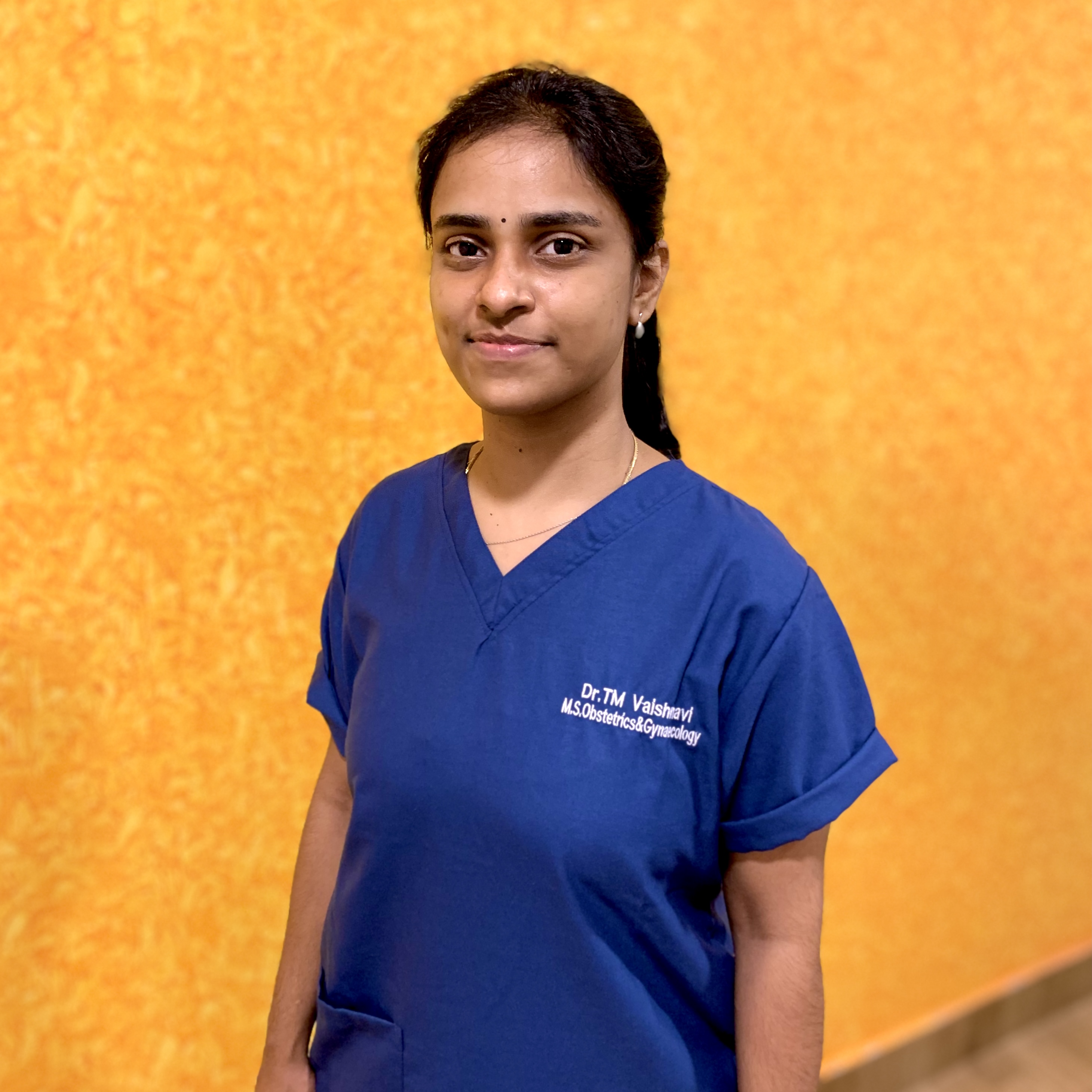
Written by Dr. Vaishnavi | Obstetrician & Gynecologist | Fertility Consultant |
Founder - Leto Centre for Health & Scans, Chennai
Preparing for childbirth can be both exhilarating and overwhelming. From labor pains to the joy of holding your baby for the first time — the emotions are intense and unforgettable. One way to make this journey smoother is proper preparation, especially when it comes to packing your hospital bag or delivery kit.
As an obstetrician who has guided hundreds of women through this beautiful transition at Leto Centre, I cannot emphasize enough how a little planning can make a big difference.
Let’s walk through exactly what you need to pack for labor, delivery, and your hospital stay.
Why Preparation Matters
The hours leading up to childbirth can be filled with anxiety, discomfort, and excitement — especially for first-time moms. Having a well-packed hospital bag ensures that when labor starts, you are ready, calm, and focused. It also allows your birth partner or support person to assist you better.
What to Pack in Your Hospital Delivery Kit
For the Expectant Mother
Pregnancy health records – All your scan reports, blood tests, prescriptions, and antenatal checkup notes.
Government ID proof – Aadhar card, PAN card or driver’s license. Dont forget your PICME number or registration details. It’s a must for mothers delivering in Tamil Nadu.
Maternity/feeding gowns or dresses – Easy-to-open for breastfeeding.
Feeding innerwear
Bathroom slippers
Maternity pads – Essential for postpartum bleeding.
Bath towel & hand towels
Water bottle or flask
Toiletries – Toothbrush, toothpaste, soap, shampoo, comb, and hair ties.
Lip balm and moisturizer – Hospital air can be dry.
Add-ons:
Nursing cover
Swiss ball (if part of your labor plan)
Prepared healthy snacks or lactation drinks
Phone charger & earphones
Light reading material or relaxing music
For the Newborn Baby
Newborn clothes – Washed, cotton, and weather-appropriate.
Soft muslin or cotton swaddle wraps
Disposable or cloth diapers
Baby wipes or soft cloth wipes
Towel for baby bath
Gentle baby bath lotion or soap
Baby mittens, socks, and cap
Hand sanitiser – For you and your visitors
Avoid overpacking: Most hospitals provide essentials like diapers and wipes. Focus on medical documents and personalized comfort items.
Tips for a Stress-Free Hospital Stay
Expect visitors, but plan boundaries. Newborns are vulnerable to infections. Encourage visitors to use masks and sanitiser.
Prepare mentally for a 2–3 day hospital stay.
Ask for help – Whether it’s with breastfeeding or understanding newborn care, don’t hesitate to seek support from nurses, lactation consultants, or your doctor.
Leto Tip: Preparation = Empowerment
At Leto Centre for Health & Scans, we believe in empowering women through every step of their maternity journey. Our team is always here to support you — not just clinically, but emotionally and practically.
Whether it’s learning about the labor process, pain relief options, or breastfeeding basics, talk to your doctor in advance.
Final Thoughts from Dr. Vaishnavi
Childbirth is a life-changing milestone. While you can’t control every detail, you can be prepared. A thoughtfully packed delivery kit lets you focus on what truly matters — welcoming your baby into the world with calm, confidence, and joy.
Wishing you a safe delivery and a blissful start to motherhood. Stay supported. Stay strong.
Dr. Vaishnavi is the lead Obstetrician-Gynecologist at Leto Centre for Health & Scans, Ashok Nagar, Chennai, with a passion for providing patient-first, compassionate care.
At Leto, we do more than treat symptoms—we care for the whole you. Our unique approach blends advanced medical services with compassionate, personalized care to support your physical, emotional, and overall well-being.
Whether it’s a consultation, diagnosis, or treatment, we’re here to guide you on a healthier, happier journey.
Redefine your healthcare experience. Connect with us today!
Written by Dr. Prasanna, Co-founder, Leto Centre for Health
Diagnostic imaging has revolutionised healthcare by providing detailed insights into the human body without invasive procedures. It plays a crucial role in diagnosing, monitoring, and treating various medical conditions. With advancements in technology, modern medical imaging techniques have become more accurate, faster, and safer, improving patient outcomes significantly.
The Role of Modern Medical Imaging in Healthcare
Modern medical imaging encompasses a variety of techniques that allow healthcare professionals to visualize internal structures and functions. These imaging methods help detect abnormalities, guide treatments, and monitor disease progression. Some of the most common imaging modalities include X-rays, computed tomography (CT), magnetic resonance imaging (MRI), ultrasound, and nuclear medicine.
Each technique has its unique advantages:
X-rays are quick and effective for viewing bones and detecting fractures.
CT scans provide detailed cross-sectional images, useful for diagnosing complex conditions.
MRI offers high-resolution images of soft tissues, ideal for brain, spinal cord, and joint evaluations.
Ultrasound uses sound waves to visualize organs and blood flow, commonly used in obstetrics and cardiology.
Nuclear medicine involves radioactive tracers to assess organ function and detect cancer.
These technologies have transformed diagnostic processes, enabling early detection and personalized treatment plans.
MRI machine in hospital room. AI generated image for representational purposes only.
What is Diagnostic Imaging?
Diagnostic imaging refers to the techniques and processes used to create images of the human body for clinical purposes. It helps in identifying diseases, injuries, and abnormalities by providing visual evidence that supports medical decisions. The images produced can be static or dynamic, depending on the method used.
The process typically involves:
Patient preparation - ensuring the patient is ready for the procedure.
Image acquisition - capturing images using the selected modality.
Image processing - enhancing and reconstructing images for clarity.
Interpretation - radiologists or specialists analyze the images to provide a diagnosis.
Diagnostic imaging is essential for conditions such as fractures, tumors, infections, cardiovascular diseases, and neurological disorders. It reduces the need for exploratory surgeries and helps monitor treatment effectiveness.
CT scan image on computer screen. AI generated image for representational purposes only.
Advances in Imaging Technology
The field of diagnostic imaging is continuously evolving with technological innovations that improve image quality, reduce radiation exposure, and enhance patient comfort. Some notable advancements include:
Digital Imaging: Transition from film to digital has enabled faster image acquisition, easier storage, and remote sharing for consultations.
3D Imaging and Reconstruction: Allows for three-dimensional views of organs and tissues, aiding in surgical planning and precise diagnosis.
Artificial Intelligence (AI): AI algorithms assist in detecting abnormalities, prioritizing urgent cases, and reducing human error.
Portable Imaging Devices: Handheld ultrasound and mobile X-ray units increase accessibility, especially in remote or emergency settings.
Low-dose Radiation Techniques: Innovations in CT and X-ray technology minimize radiation exposure while maintaining image quality.
These advancements contribute to more accurate diagnoses, quicker treatment decisions, and improved patient safety.
Practical Applications of Diagnostic Imaging
Diagnostic imaging is integral to many medical specialties. Here are some practical examples:
Obstetrics: Ultrasound monitors fetal development and detects abnormalities during pregnancy.
Cardiology: Echocardiograms and nuclear imaging assess heart function and detect blockages.
Oncology: PET scans and CT imaging identify tumor location, size, and metastasis.
Orthopedics: X-rays and MRI scans help diagnose fractures, ligament tears, and joint disorders.
Neurology: MRI and CT scans evaluate brain injuries, strokes, and neurodegenerative diseases.
Healthcare providers rely on diagnostic imaging services to deliver precise and timely care. Patients benefit from non-invasive procedures that provide critical information without discomfort or risk.
Ultrasound machine in clinical setting. AI generated image for representational purposes only.
Future Trends in Diagnostic Imaging
The future of diagnostic imaging promises even greater integration of technology and patient-centered care. Emerging trends include:
Personalized Imaging Protocols: Tailoring imaging techniques based on patient genetics and medical history.
Integration with Electronic Health Records (EHR): Seamless access to imaging data for coordinated care.
Enhanced AI Capabilities: More sophisticated AI tools for predictive analytics and automated reporting.
Hybrid Imaging Systems: Combining modalities like PET/MRI for comprehensive diagnostics.
Tele-imaging: Remote image acquisition and interpretation to expand access in underserved areas.
These developments will continue to improve diagnostic accuracy, reduce costs, and enhance the overall healthcare experience.
Embracing Diagnostic Imaging for Better Health Outcomes
Diagnostic imaging is a cornerstone of modern medical imaging, offering invaluable insights that guide clinical decisions. By understanding the essentials of these technologies, patients and healthcare providers can appreciate their role in early detection, effective treatment, and ongoing health management.
Whether it is a routine check-up or a complex medical condition, diagnostic imaging services provide a window into the body that helps save lives and improve quality of care. Staying informed about the latest advancements and applications ensures that this vital tool remains at the forefront of healthcare innovation.
The Impact of Accurate Imaging
Accurate diagnostic imaging leads to:
Faster diagnoses
Targeted treatment plans
Avoidance of unnecessary procedures
Improved patient outcomes
At Leto, our scans are not just about images — they are about empowering your doctor with critical information to make the best decisions for your health.
Why Accuracy Matters
A small detail missed in an image can lead to misdiagnosis or delayed treatment. That’s why our imaging services are done by experienced doctors and conducted using advanced equipment to ensure crystal-clear results and accurate interpretations.
Our focus on quality control and clinical excellence is what sets us apart.
Affordable and Transparent
We understand that cost should never be a barrier to health. That’s why we’ve kept our pricing clear, reasonable, and transparent — no hidden charges, no confusion.
Need help understanding which scan you need? Our medical team is here to guide you, not upsell you.
Trusted by Families Across Chennai
Located in Ashok Nagar, Leto Centre has become a trusted destination for families and individuals seeking reliable, respectful, and professional diagnostic services. We work closely with your primary doctor or specialist to ensure coordinated care that keeps you informed every step of the way.
Frequently Asked Questions (FAQ's)
Do I need a referral for a scan at Leto?
Most scans can be done directly, but some may require a doctor’s referral. We’ll help guide you as needed.
Are the scans painful?
Not at all. Our imaging services are non-invasive and are comfortable.
How soon will I get my results?
Typically within 24 hours. Urgent reports can be expedited.
Is Leto equipped for pregnancy scans?
Yes. We offer detailed obstetric and fetal scans, performed by trained professionals in a safe and calm setting.
What makes Leto different?
High-end technology, clinical expertise, affordable pricing, and a strong focus on patient dignity and clarity.
Leto Centre for Health & Scans – Because every image tells a story. Let’s make sure it’s the right one.
At Leto Centre, we believe every patient deserves clarity, care, and confidence when it comes to their health. Our diagnostic imaging services reflect that belief — combining modern technology, expert oversight, and a human touch.
Whether you're here for a routine scan or a crucial investigation, we treat your time and health with the respect they deserve.